
Nicole Shaver - Leadership Coach & Advisor
What happens when the career you worked hard to build no longer feels like the right place to stay?
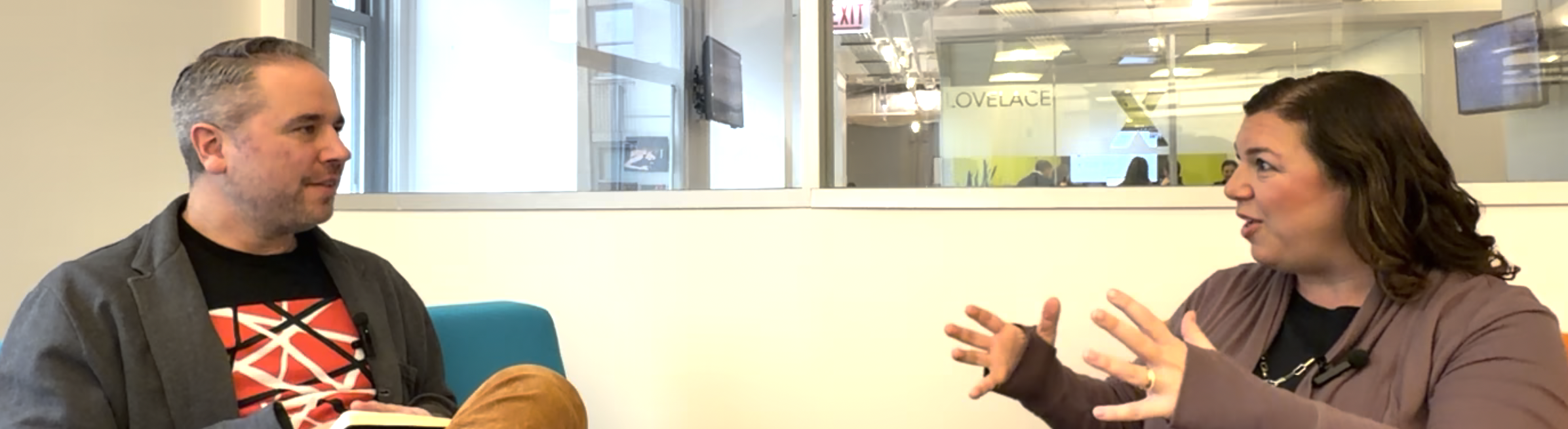
In this episode of Ted Listens, Ted Novak sits down with Nicole Shaver to talk about her decision to leave a successful career in consulting, finance, and leadership after roughly 15 years to build a coaching and advisory practice of her own.
Nicole shares an honest look at what it takes to step away from stability, status, and a familiar professional identity to create a more intentional next chapter. The conversation explores the questions many high performers eventually face: What does success look like when the title is no longer the goal? How do you recognize burnout before it becomes a breaking point? And how do you build a business rooted in relationships, trust, and the work you are uniquely positioned to do?
Along the way, Ted and Nicole discuss the distinctions between coaching, mentoring, and therapy; the importance of boundaries; and how Nicole now applies her experience through leadership development, advisory work, board service, and teaching at Loyola University Chicago.
Whether you are considering a career change, leading a team through uncertainty, or simply trying to separate who you are from what appears on your business card, this episode offers a grounded perspective on making the next move with intention.




Watch Now
Transcript
0:00
From Finance Executive to Entrepreneurial Coaching Journey
One of the many things I love about Chicago is that not more than one industry makes up more than 13% of Chicago's economy.
I created this podcast showcase those businesses in the Chicago community may have never heard of or never knew what they did.
As partner and Managing director of an award-winning digital agency, I get to learn the insurance and outs of so many different businesses we work with and come across.
0:18
I learned as much from small business leaders as I do from large institutions and often find useful perspectives between unrelated industries with businesses solving completely different problems.
I hope this podcast serves the purpose of sharing that experience as I interview the leaders behind Chicago's economy.
0:34
My guest today is Nicole Shaver.
After two decades with a successful career as a finance executive, Nicole made the move many of us consider.
She shifted gears and started her own business, focusing on something she's always been passionate about, supporting other people's development.
0:50
Nicole now owns and operates Nicole Shaver Coaching and Consulting, where she works with teams and individuals to navigate transitions, build resilience, and achieve meaningful results within their organizations.
In this episode, we dive into what it's like to leave one successful career and go out on your own.
1:07
We get into what coaching is and trends in the space and talk a lot about the things Nicole has done to establish and grow her business.
I hope you enjoy the conversation as much as we.
So, Nicole, thank you for being here today.
1:21
Speaker 2
Thank you for having.
1:22
Speaker 1
Me, it's a it's a fun episode because I don't always dive into the history, but we spent some time together kind of at the same organization and in different roles.
So we've known each other for a very long time.
And that was back in our consulting days.
1:40
And, you know, I made a transition leaving a place that I loved to do something that I wanted to try.
Here I am, you know, 15 ish years later.
And so we reconnected just through kind of the community.
1:57
And you recently did the same thing.
And I and I, I think that's kind of exciting.
And so would love to kind of dive into a little bit about, I knew you as a finance guru in person, what you're doing now.
2:13
Yeah, who it's for and maybe start with, you know, how you kind of determine that to be your calling because you, you did transition the, the new gig.
Yeah, is not a finance shop as far as I as far as I know.
2:30
So I'd love to know just a little bit about kind of how that started and maybe we can start by talking about what you're up to now.
2:35
Speaker 3
Yeah, yeah.
So as of now, I am.
I have my own business and I'm doing coaching and advisory.
2:45
Speaker 2
Of some leadership development work.
I'm also have the flexibility to do some board work and I'm also teaching at at Loyola, which is my alma mater.
Go ramblers.
Yes, go ramblers.
Keeping that finance left brain mind working.
3:03
So I, I've always been a people people.
I've always been a heavy extrovert, but I am very, I definitely have a type A brain.
I love a spreadsheet.
I love organization.
I love control.
3:19
Speaker 3
Which is very much the structure of kind of what you end up in and more of a finance role.
And I really loved what I did for a lot of years.
But you know, the part that brought me joy when I in fulfilment, when I was able to actually reflect on it was the people, right?
3:37
I was lucky to be able to, you know, do a lot of running of the team that included development of them, collaboration, because I was at the organization we were at early days.
I got to be broader than just finance, bring together people from different teams.
3:56
Speaker 2
Do culture activities, social activities.
I did some development programs.
So I always did that kind of off the side of my desk and I had a lot of energy for it.
I didn't have time for it.
4:06
Speaker 3
But I made time for it because I loved it so much.
And so the people side has always been a big part of who I am.
And at some point in my career, I know I thought maybe someday I could do something in the talent world.
And I remember somebody at some point saying.
4:21
Speaker 2
You could be a coach, and I said I could, and they said yeah, you would just be a coach.
That comes from this background and so.
4:26
Reflecting on a Finance Career and Deciding to Transition
It.
4:26
Speaker 2
Was something that was in the back of my head and you asked about the transition and really the, you know, I had.
4:36
Speaker 3
Been through some really busy years coming out of right before COVID, into COVID, into some big leadership changes in transaction with my organization that had been running me real hot and I had not really taken any time to really think about.
4:55
Speaker 2
What was working and what was not working but I was starting to show up in life.
5:00
Speaker 3
And I got to coach myself.
And so that's where the power starts.
The the learning starts is I sat down with my coach the first day and I said I can't leave.
You had a coach.
5:13
Speaker 2
I had a coach, yes.
5:14
Speaker 1
And actually I want to interrupt you for a second because I set the tone with this and I made it sound like we worked at some mystery place and had mystery roles and everything else.
So for, for clarity, we can speak because I, I know you only have great things to say.
So you were at West Monroe Partners.
5:31
West Monroe Partners, awesome, awesome place.
I can definitely vouch for my experience there when I worked there.
5:37
Speaker 2
I looked back up.
We were together from O 7 to 10.
That's where you left, right?
Yeah, about three years overlap.
5:43
Speaker 3
But the firm was small, so we all know each other really well.
5:46
Speaker 1
Yeah, I, I, I don't know if it's, if it's true.
I, I feel like I was like an employee 70 something or something like that, which is different than it is today.
And your role there was?
5:56
Speaker 3
Yeah.
My role there was finance.
So I started out as an individual contributor and as the firm grew, I grew.
So I went from the firm when I started was, you know, you know, 7500 people, $30 million grew to 3/4 of 1,002,000 people.
6:12
So my role grew with the firm growing.
I handled all the day-to-day financials.
You know, cash in cash.
6:21
Speaker 2
Out all the things that need to be handled financial reporting audit, but then I I, I really transitioned.
6:27
Speaker 3
After a few years into a business partner with leadership learned a lot about the business and worked, really spent a lot of my year helping with making financial decisions that supported the strategy and ran the financial planning process in tandem with the leadership.
6:42
So that was the part where I really, I think was able to thrive in my, you know, my base knowledge of the financials, my great relationship skills that I could have with the leadership and helping put together a really sound plan that set the firm up for.
6:58
Speaker 2
Growth and success.
So all the technical stuff.
I also, because we were small, got to do a lot with data systems and reporting stuff that I probably would have never gotten to do with a big firm.
So I know a lot more about technology than maybe your average finance person.
What would be?
I can't code or I can't do but I I know a lot more.
7:17
Speaker 1
Yeah.
And that's, and that's why I wanted to kind of dive into some of the specifics because I started off, I was like, oh, from finance to this, that's, you know, most people think finance, they, they, they have a vision of what that is.
And knowing a little bit about what your experience was just based on my own.
7:32
And then also, you know, kind of the culture there.
It's more than just a role, right?
And.
7:40
Speaker 3
Huge role and exciting and a lot of challenges in a good and a hard way.
7:45
Speaker 1
Yeah.
And through transition, right, I mean you've been quoted kind of that growth like being in that spot and still being able to be entrepreneurial throughout that It's a much different I think resume builder then it's in a finance department or a consulting.
7:59
Speaker 2
Group, yeah, I think I look back on making that decision, not really realizing what I was walking into, but being so glad that I took really what was a chance on something that was still relatively new and growing with a lot of opportunity.
8:12
Speaker 1
So Fast forward to where I interrupted you.
So now we're we're about a year ago, I think.
8:19
Speaker 3
No, I'm.
8:20
Speaker 2
Three years.
8:20
Speaker 1
Three years ago, OK.
8:22
Speaker 3
Actually, like the original coaching was for almost 3 years ago.
Wow.
I spent the better part of the year making the decision.
Awesome, deciding what I wanted to do.
8:30
Speaker 1
Yeah, correct.
So I'd love to dive in a little bit only because a lot of people that listen to podcasts are going through some transition or considering a transition.
And not everyone is coming from a place that they love.
But I think most people when you're considering that you feel an attachment to it.
8:46
Yeah, either either from this is what I know, this is what I do, these people depend on me or I love this place, but you've got this kind of idea to do something else.
Would love to know kind of why coaching and and how you came to that decision.
9:03
Why now?
9:03
Speaker 3
Yeah, yeah, it's easy to get.
9:05
Speaker 2
Comfortable comfort is a lot easier than discomfort.
Which is where?
9:09
Speaker 3
Change lives, right?
I thought about in all the years, I never took a call for another job and I I took one and it was a finance ACFO job, which you would think would be something I would be looking forward to.
But I realized it wasn't what I wanted.
9:26
And so I thought, OK, do I stay where I'm at?
It's a great place with great people and kind of ride the next wave.
Do I really like what I'm doing anymore?
Do I go somewhere else?
What's the unknown of, you know, going to somewhere that's small again and helping them grow or going to a bigger organization?
9:43
But I knew there's a lot of unknowns there and the grass isn't always greener.
And that's a lot of new.
Or do I do something really different and I can look back now and see that the idea that I was going to stay in finance was the the percentage was a lot smaller than I?
10:00
Speaker 2
Realized it was and I think it was really hard for me to find the words for it in the middle.
10:06
Speaker 3
Of that, I saw the power in coaching because I was being coached.
I also thrived on creating space for people and supporting them.
10:18
Speaker 2
Always.
And that's just who I am.
It's part of like my DNAI think I got it from my family, like my mom is very much that way.
And so it became kind of almost natural that that was the right transition for me was to kind of lean into that.
10:35
Speaker 3
What people then told me was like a superpower, right?
I created a space for them to be authentic in themselves in a world where you don't always get that.
10:43
Speaker 2
Space.
10:44
Understanding Coaching, Its Process, and Ideal Clients
That is interesting.
And and what I want to highlight there's some of the things that you said and again, there, there are a lot of folks right now yours yours was voluntary.
Some are, some are involuntary in terms of the way the job markets are.
And what is my next thing.
11:00
And one of the things that came out of that is, is hearing what other people think are your superpowers can sometimes be a great place to lean and especially for for the people that are looking at their next opportunity involuntary are are sometimes tied to well, this is what I've done.
11:20
Speaker 3
That's what I've done.
That's who I am.
11:21
Speaker 1
This is, isn't this my resume now?
How you know it?
Doesn't someone need to see that I did this and did this really well where there's often so many other skills that are happening and it it it turns into an opportunity to say, you may have tried this now.
Yeah, right.
11:36
So I think it's cool.
11:37
Speaker 2
Our working identities are it's I spent a lot more time thinking about identity and work and your work identity and who you are in the last few years.
And I think not even using that word most of my career, but recognizing how much of our self-confidence and worth and comes from can come from that and where we're at and what we've done.
11:59
Speaker 3
Yeah.
12:00
Speaker 1
Now that's awesome.
So OK, so now you've transitioned, Yep, launching a business.
Tell me a little bit about what the what the what the offering is.
So coaching means a whole, I had a wrestling coach on here before, right?
So it can mean a lot of different things, although I'd argue it means a lot of the same things.
12:18
Speaker 3
Yeah, it's more than.
12:19
Speaker 1
Teaching a sport, But what does it mean?
Who's like a typical client?
Whether you want to tell a story about an actual or not, I'll leave it up to you on your comfort level.
I want to know what this is.
12:30
Speaker 3
Yeah, it's interesting because you say like there is a lot more similarities in the word coach.
There was a podcast that I listened to and I can't remember the name of it right now, but where they talked about coaching in the sports sense and how that then kind of transitions into some of the things that you see in different kinds of transition coach or leadership coaches or Wellness coaches or life coaches, however kind of what you want to like designate it.
12:55
For me, I knew that I have all this rich experience.
I have this technical background.
I've been through a lot of change and growth.
I've been through a lot of transactions.
I understand operations.
I understand the business world.
I, you know, the, the, the, the currency of business, the language of business being financed, right?
13:18
And I knew that if I could harness that along with get myself educated in the coaching space, but that would really help me with that transition.
So I went and got a coaching certification through an organization called Hudson Institute.
And they're known in the coaching space for being very kind of the head and heart of adult development, right?
13:38
Why it's hard, Why change is hard, Why we are the way we are and.
13:42
Speaker 2
You know, there's a lot of studies that are about childhood development and, you know, adolescent and early kind of adulthood, but we spend the majority of our life as adults and life.
13:54
Speaker 3
Speak for yourself, right, adults, quote UN quote, right, However you want to define that, right, or in our in those years, but there's there's chapters of those years and we're all going to go through different parts of those years.
And so it was really interesting for me to be back in a learning mindset and to learn the coaching craft that I could then pair up with my experience and, and background.
14:15
And So what I bring is there's a lot of coaches in the world and they come from lots of backgrounds.
There tends to be less people that have a finance background in the coaching space.
And so for me, what I've been focused on mostly is leadership.
And I say leadership instead of executive because I don't want to just work with executives.
14:31
I want to help people get to that next level, support them in that next level of their, of their role.
And, and, and transition and transition is a little bit of a soft spot for me because how many people go through what I went through is really fulfilling.
14:47
Having that partner is really important.
And so the way I view coaching is, you know, based on, you know, I'm certified, I'm ICF certified of all the things, but it's creating a space in a world where we don't get a lot of space.
That's only about you.
15:04
That creates an accountability partner that creates the ability for self-awareness.
When we walk away from that space, most of the time we don't have time for self reflection time for you know, if I'm working with my partner at work, they have an opinion about what I'm doing, right?
15:21
My boss doesn't know what I'm doing.
My job as the coach is to be that.
15:25
Speaker 2
Partner and it's not about me, it's about them right and creating the space for them and listening at a deeper level to help them be successful and whatever that is and so.
15:35
Speaker 3
The coach creates the container that we work in and the topics and what we're working towards is based on the individual.
And for me, you know, kind of the clients that I've worked with are kind of across the board.
But I think my ideal clients are people that are, you know, finance leaders, operations leaders, even IT leaders, right, that are looking to, you know, support their continued growth or their team's continued growth.
16:04
Companies going through rapid growth, change, acquisitions, transactions, private equity, like I lived in that kind of world for a long time.
I also think that there's a niche space that I'm starting to get a little traction in that's supporting.
You know, I've been thinking people would want to work with me because I can speak their language.
16:22
I can understand what it's like to be working with the board and, you know, you know, Equity Partners or private Equity Partners, But there's people that also are trying to grow or build a business that are uncomfortable in financial situations and need more literacy and confidence.
16:37
And so I've met a few people, and I have some people I'm working with now that are really good at their craft but are intimidated going into meetings with bankers or, you know, investors need to think about how to structure a board.
16:51
Speaker 2
And what that might look like, don't know if they totally understand the financials that are happening.
And so how can I help with that literacy piece, especially I think female entrepreneurs, which is a space that I feel excited and energized by.
17:04
Speaker 1
Awesome.
Me too.
OK, so a couple a couple things in there and the what I want to hone in on is what is an ideal person that you know I would benefit from coaching?
17:21
What are some of those situations?
And the second question is, what do you, what does that first conversation sound like?
Are there things that you say, things that you ask, things that you want to know?
Because I can tell you right now, if you coach me, it's probably a different experience than coaching, I would assume.
17:37
Speaker 3
It's individual, yeah.
17:38
Speaker 1
So, So what are some of the things that I should look into getting a coach and then so target audience, I guess, yeah, say that.
And then what are some of the things that come up in that first meeting that you kind of look for?
17:49
Speaker 3
Yeah, I think in the on the transition side, it's I'm stuck and I don't know what to do or I have interest in some of these things, but I'm scared and I don't know what the right steps are.
18:05
Or I'm, you know, I know what I want to do, but I'm for some reason I can't do it or I'm not doing it.
I don't know why, right.
And so it's it's helping along that path of transition and change.
And that's both the doing and the feeling part of it, right?
18:21
Because there's the inner part, right?
There's the things we tell ourselves that we can and can't do, and there's getting past some of those voices in our head, and then there's the actual doing.
So I talk about the inner work and the outer work a lot because you got to be doing both really to kind of get things going on the leadership side of things.
18:41
I think even if things are going swimmingly, there's no doubt going to be change of leadership, new companies coming in, new things you're trying to do, you know, you know, changes around us all the time.
18:58
And so when you think about managing priorities and boundaries, when you think about burnout, when you think about, you know, communication with people that you really don't get along with, but you have to work with, right?
How do you get through some of those kind of day-to-day challenges that we all have in the corporate world?
19:14
And so it's creating a space to talk through those, figure out what you're telling yourself about that situation.
What I love about coaching too, is that it's it's not looking back.
It's about where you are and going forward.
19:30
But context of where you came from is really important because patterns are inevitable in our lives, right?
If somebody reminds you of somebody that you worked with in the past, you might be, you know, putting a bias on them.
If somebody reminds you of your brother, that drives you crazy because he doesn't do whatever you might be, you know?
19:52
And so you asked about the first meeting.
The first meeting is the only time we really dig in on the past.
And I asked for a life, basically a life lifeline story.
Tell me the highs and the lows of the life of Ted.
Because me having that context, I can look for patterns and ways that things come out and things might come up.
20:15
Speaker 2
As working together.
20:16
Speaker 1
They also judging personality too.
Is there a big difference in the types of people but.
20:21
Speaker 3
Yeah, 'cause everybody's different, right?
Everyone deals with things differently.
You know, some people are, you know, people that will go to the NTH degree pleasing everyone and wanting to make sure everything's OK.
Some people avoid everything, you know?
You know, when it gets tough, they avoid.
20:36
Some people are always nervous or anxious about things, right?
So you're kind of starting to understand who the person is.
Usually, you know, there's some values work like am I, you know, and, and like I said, sometimes I start working with somebody and they're doing well on their job, right.
20:52
I was lucky enough to one of my first engagements, which was kind of a dream 1 to get really early on was to come into a small company with a leadership team where they were changing a lot of their processes and systems.
And so I started working with the six person leadership team and each one of them was dealing with a different thing.
21:11
And some of them we're doing fine on the surface.
But the leadership team was changed.
They took one role and split it into two.
Now there's two bosses, what used to be one, right?
This person's new.
21:26
Now her, her bosses are her peers, right?
The, you know, the leader had LED them through COVID and had leaned in a ton.
He didn't know how to lean out and to trust and verify.
So it's those kind of like inner workings that can come.
21:43
And so I ended up working with those six people and then they expanded me and added me to the layer down in their organization.
21:49
Speaker 1
Interesting.
21:50
Networking, Relationships, and Entrepreneurial Realities
Actually, I want to ask some questions because, you know, and part of the reason why I wanted to have you on here is when we, we reconnected, you're telling me what you're doing and I I had, that's not what I understood coaching to be.
22:03
Speaker 4
Right.
22:04
Speaker 3
And we did talk about that.
22:05
Speaker 1
And what's, what's interesting, so things that I had that I had thought the industry was, was almost something that an employer might look at it as.
22:13
Speaker 5
Being a threat, like are you going?
22:14
Speaker 1
To coach.
So you're going to try and, you know, position yourself for whatever blah, blah, blah, blah, blah.
And I knew friends that had done coaching and and stuff like that.
And there's also kind of a cross of what's coaching versus therapy, etcetera.
22:26
Speaker 3
And.
22:26
Speaker 1
Mentorship and mentorship, right?
And all these kind of things.
And then I also thought it was interesting is that when I think of coach, it's usually you're helping someone within a team environment, right?
And certainly there are coaches even in sports that just work with an individual.
22:44
But I've always resonated with what coach had meant to me, right?
Which is something that's teaching you how to be a human in the context of a sport.
So I'm going to land the plane here.
Hearing that your first experience was an organization bringing you in to work with a team.
23:01
It was, I'd never even thought of it that way before.
And it's just so fascinating to me.
Is that is that a unique?
Is that the norm, or is that unique?
23:11
Speaker 3
It's a mix, right?
It just depends and, and, and interestingly, when I did that, I was working each with each of them individually.
And the space we live in and coaching is a confidential space, right?
You, you have to create trust in order for someone to really do the work and feel like they can have these conversations.
23:28
And so while I was hearing multiple stories in different places, my I, I, I couldn't bring that in, but I could use that as context.
And I think that's another one of my superpowers I had in my corporate days was I was a very good dot connector string puller.
23:45
And so my ability to kind of hear different sides of stories and ask the questions that helps with reflection and creating more communication and collab, like kind of open collaboration and empathy and curiosity as opposed to elbow throwing.
24:02
And these people are trying to ruin.
I'm trying to do this, they're trying to ruin it, right?
How do you, how do you come at things when they're, when you're going through change in a way that allows you to, to, you know, one of the examples that I used in the past is like, even if someone says something that's you think is so stupid and dumb and not something you would ever do, can you find one thing about it that you like, Right.
24:26
And so it's this idea of kind of changing your mindset, but you can work with individuals, you can work in team coaching capacities where you're literally getting in a room with the six people and working through a topic or situation or individuals.
24:42
So it's it's very tailored to you.
And that's why when I said it as the container and you bring the topics because you want to make sure, you know, there's an investment component to this.
You want to make sure you're that the person is getting what they need out of it, that the organization is getting what they need out of it.
24:59
What's your point?
I think coaching used to be something like, oh, you're going to coach because you're going to coached out or you're not doing well versus investing in helping people be better at the roles they're in, helping them be more fulfilled and managed especially and I think our current world with the amount of like burnout and lack of space we have.
25:20
Speaker 1
Yeah.
So I mean, I think we can all relate to that.
And you know, one of the things we're just talking about is kind of the different perceptions of coaching, right?
And, and what it is, and to your point, when I ask is at the norm, it's, it's all over the place.
25:37
So tie that into launching your own coaching business, right?
So you're now you're launching a business where some people know exactly what or has a perception.
I know what that is.
I need that, right?
You know, for me in, in some ways, it's a website.
25:52
A lot of people know what that means.
And in fact, even though we do so many other things, we would position ourselves as a website because I know how to start that conversation, getting to coaching, knowing that not everyone has has the correct perception or maybe don't even think of it as an option.
Would love to know some of the things that once you went and got your certification, what did you do to get that, get that first client?
26:14
What are some of those?
How did you get started?
26:17
Speaker 3
Yeah, I'm a big relationship person and so from get up, from step one, I was reconnecting with people and taking all introductions.
I was lucky.
26:30
Speaker 2
I wasn't responsible for the sales at West Monroe, but I, I sat in BD meetings and listened to the way things worked and what worked for, you know, the better part of, you know, 161718 years, right?
And so that was a master class in seeing who succeeded and who did well.
26:48
And the people that did the best were authentic relationship builders that created that trusted advisor relationship.
26:57
Speaker 3
With the client, and that's true of all services, you know, businesses, as you well know, because you work with people, they need you now, they need you later, they're going to tell people about you.
It's all about that.
And so I definitely leaned into, I'm going to network.
27:14
I'd spent so many years with like it within just the organization that I've I had forgotten to like keep my network kind of growing.
But I knew that when I I had enough people that I had you're a good example that I had known over the years that if we reached out and we grabbed coffee that it would be comfortable.
27:31
I'm lucky in that way, I think because I'm an extrovert and so I'm really comfortable kind of putting myself out there.
So I felt good about that when I was decide when I was making a decision to to go for coaching my coach who comes from a similar background to me.
She said, go through your LinkedIn, look at everyone who's down at West Monroe and make a list of who you would call.
27:52
I made a list and it was like 80 people and I categorized them and I, you know, and I've gone, you know, talked to some of them.
I haven't talked to all of them and things like that.
But it was a reminder that the relationship is the is the pillar in the corner.
And I know that it's a long term play.
28:09
I might talk to somebody and they want a coach immediately and I might talk to somebody and they might not be ready.
And so it's about connecting with.
28:16
Speaker 2
People taking introductions.
28:19
Speaker 3
Being a connector for them and their business, I'm fully a believer in like what you put out in the world, you get back over time.
So I am a giver in that way.
And so from a getting client's perspective, most of them have come through my network and some of them have been surprised as I reached somebody reached out to me because I thought they were thinking about how they could connect me in their business and.
28:43
Speaker 2
They were like, actually.
28:44
Speaker 3
I want you to coach me and OK, you know, and so you kind of never know where some of those things are going to come from.
I feel like I'm still early days too.
I think I'm there's learnings to be had on what works and what doesn't work especially.
28:58
Speaker 2
Considering the environment and what people are willing to or able to invest.
29:04
Speaker 1
Interesting.
And I mean, and hopefully you're always in a state of learning, right?
That's.
29:09
Speaker 3
Part of it, right?
29:12
Speaker 5
I had a flash.
29:13
Speaker 1
Flashback, I was, we were getting in the shower redone, which normally I'm DIY and doing it myself.
And I bought this tile that with these little glass mosaics and the person installed them and he, he just kept hitting problem after problem in this tiny little shower.
29:28
And I was, and he installed them all backwards.
So he had to tear them all apart on it.
And basically they're on like a piece of paper.
And he put the paper in the thing and he's like, I was wondering why they weren't sticking.
And I said, hey, it's a learning experience.
And he looked at me.
He goes, he goes and I am done learning and actually ended up abandoning the job at some not immediately in that in that moment, which I think is fun.
29:52
I'm like done learning.
No, that that's so fascinating.
And like, you know, most industries and I think you people in any form of business, we're we're kind of so much is changing so rapidly all the time now that so many traditional things I would imagine.
30:09
But like, I don't want insulting industry, an industry that has been working the same way for so long, even though are going through changes right now with coaching.
So in my role, I talked to a ton of businesses and you know, we're, we're brought in for from either branding, it's either design conversation, a positioning conversation right around branding and copying this, or it's about technology, right?
30:38
And because we work with a lot of businesses, we start to see kind of trends that are happening across.
You are talking to a lot of people in a time of various degrees of, of in their careers at a time we're, you know, we're all hearing the headlines, right, in terms of what's happening in the job market.
31:00
You got AI, you got our people who have interns anymore, what's going to happen with these law firms or they don't have the people in there that learning the ways.
And I'm kind of fast forwarding my own sentences on here to skip through it.
But like what are some trends that you are starting to see that in working with individuals?
31:20
Is there any throughput that feels a little bit different than what we might expect?
31:25
Speaker 3
Yeah.
31:26
Addressing Post-COVID Stress and Lack of Workplace Care
I mean, I think I said this last night at the event we were at with somebody that I feel like, you know, the pandemic in the last, you know, 5-6 years like shaped a lot of change for obvious reasons, right?
31:45
We had to just completely figure out how to work in a different world.
And I feel like there was a lot of care given in that time for the individual recognizing that we were all going through something really hard, unknown and scary.
32:01
And I feel like the undoing of that is like that feels like it's gone in a lot of ways, like that care component that we were really proud of doing in that.
32:11
Speaker 2
Time.
32:11
Speaker 3
Feels like it's not happening as much.
Not to mention there's this push pull of this like hybrid model, which is like a never ending topic in the market I feel like, right.
Do you have your people back?
Do you not with the pros and the cons?
32:27
And there's no good answer to that.
And so I think that there's this layer of like, does my organization care?
Do I care about what I'm doing?
Do I feel pressure to be in the office?
I like being in the office.
So I want everyone to come.
Well, I hate going.
I have all these, there's this push pull.
32:44
And so there's this like just overarching stress that it's literally nothing to do with the actual jobs we're doing.
It's literally the stress of like just the mechanics of getting to work, how we work and remembering that we're people living in that stress, right?
33:01
And living in a, in a, in a very kind of unstable world.
And so I'm seeing that throughput.
I'm seeing like when you turn around every day and you see burnout and you know, working too hard and the idea of like you're in your house and you move, there's no transition time.
33:17
You close your computer and you're like with your kids immediately, right?
So your brain doesn't.
And so there's the like I think the.
33:23
Speaker 2
Stress that that comes in.
33:26
Speaker 3
I think it also created this world where we're back-to-back to back-to-back a lot.
And I've lived that world.
And so the only way I got worked in was to work till, you know, in the middle of the night or, you know, people who work really early.
And so it's this like there's this compression component of, of all of that.
33:41
And so I see that in almost everyone that I work with in some way, shape or form, whether they're heavily impacted by it or whether they, you know, don't care.
But that is definitely a throughput that I see.
33:57
And I think that also, and that happens in your like if you're staying in your environment, you're there.
But also when I talk to people that are in where people that are in transition it it allow it makes it hard for them to createspace to actually even think about what they might want to do next or or try to.
34:12
And so people get it's easy to get stuck and frozen by.
It feels too daunting and too big.
And so somewhat sometimes it's like.
34:23
Speaker 2
OK, let's step it back like 100 steps, like you feel like you have to like tomorrow, figure out what your career aspirations are, you know?
34:31
Speaker 1
No, it's wonderful.
And you said, you said this early on and but this contextualizes one of your comments earlier that a lot of the coaching role is creating space, right?
And, and I see the difference and, and I think you've demonstrated the difference between I think therapists sometimes say that too, right?
34:48
Like space?
34:49
Speaker 3
Yeah, you're complimentary.
I mean, it's very complimentary.
34:53
Speaker 1
Honestly, I think.
34:53
Speaker 3
I've had both and I think it's great.
34:56
Speaker 1
I I think any role, and I'm probably insulting therapy, but I think any role that's humans dealing with humans has an element of therapy.
And yeah, Oh yeah, done right.
So asking about that through throughput.
I'm going to dive in here.
Let's see.
Let's see if it's comfortable to dive in.
Yeah.
So COVID changed things.
35:12
Like a lot of those stories are stories that a lot of people have talked about the, the care element.
I don't think I've ever heard you're, you're absolutely right.
When I think about that, that and it, I don't think I've ever heard anyone define it that way.
It's so interesting.
And so I reflect very quickly to put us some instruction.
35:30
I remember, you know, when things were first going on, I felt this responsibility and like the team expected a responsibility for what was going on in the world.
And and it took a moment.
I'm like how we're working here.
And then I realized, well, work is now what I'm experiencing all day long.
35:47
And that is part of the environment, part of the experience.
And, you know, we stepped up to that hopefully.
And then now that we're back into kind of a all right, that's behind us.
You're right, there is a, there's kind of a different perception out there, so I would love to dive in.
36:06
So if we say that that care piece has kind of gone away, how is it manifesting in some of the conversations you're having?
And how are some ways that you've given advice to folks or to cope or deal or address it, I guess?
36:21
Speaker 3
Yeah, I think, I think one of the things I talk about a lot is that we are, we spend a lot of time at work, right.
And, and I and I recognize that some people like the way I was, was very, my work was my identity in my life.
36:37
I did a lot, I cared about it.
And so I put a lot into it.
And I know some people want to go to work and do their work and leave.
That being said, you do spend a lot of time at work.
And so thinking about yourself as a whole person and knowing that the idea of actually splitting those two personas in US is not realistic, I think is like a a base that I live.
36:55
Speaker 2
On is that while I may, you may come to me to.
36:59
Speaker 3
Focus on coaching in a work sense.
It doesn't mean that some days we're not going to end up talking about some of the personal because we know that there's no real divide between that on the on the care side.
I think what's interesting is it brings people to a level of frustration quicker and and then not communicating which kind of.
37:22
Speaker 2
Creates this like circular frustration point right where you know my boss is expecting me, you know my boss emails and expects me to respond within X time and and there's never been any boundaries set on that for as as one example.
37:42
And so then there's a frustration with your boss, with you and you with them, and you don't talk about it.
And then that happens once a week or every two weeks.
And over the course of the year, there's resentment on both sides, right?
And so.
37:57
Speaker 3
Some of it is what are the things that need to be talked about and how do you have an open conversation when something really is frustrating and bothering you?
And how do you come at it in a way recognizing that you're coming from it from your story?
38:15
Part of my program I was in, I re read, which I'd read years ago, Crucial Conversations, the book and I highly recommend like it's one of the books I pull out the most because sometimes we forget that something happens and we react.
But in the middle between that there is how we're contextually handling it and what we're telling ourselves about that.
38:38
I'm saying Ted doesn't give a shit about me because he.
38:41
Speaker 2
Thinks I'm going to blah blah blah.
38:43
Speaker 3
But Ted's pressure is his boss or this deadline is coming up and whatever, you know, we're not like coming at it from a.
38:51
Speaker 2
Place of like.
38:52
Speaker 3
What is the true?
38:53
Speaker 2
Problem.
What is the conversation?
How do we have those hard conversations?
And so I think it's this, you got to kind of get back down to basics on what good communication looks like, good partnership and boundaries, right?
39:09
Kind of all those pieces coming into play.
And so that's definitely something that shows up a lot as I find people coming to me with frustrations and putting it out outside of them and not that there's not.
39:20
Speaker 3
Right.
There's multiple people in every story, but what place, what part do you play in it?
39:26
Speaker 2
What's the story?
39:26
Speaker 3
You're telling yourself about this other person or the other situation or whatever.
And so there's the like looking at it from multiple angles that's important and, and that can be really hard for people.
And that's why this like the the comfortable space is important because part of my.
39:41
Speaker 2
Job is to create that awareness and help safe.
But I might also be like ask you a question that brings a little heat and requires you to think about it and see your place in the situation.
39:53
Speaker 3
Yeah, which if other people do that to you, might be really hard, but hopefully in a coaching relationship, the point is to create that safe space, if that makes sense.
40:02
Speaker 1
That does make sense.
You you reminded me of a quote that I think about often.
Anytime I feel that like personally, if I feel like, why does this keep happening?
This isn't working out And all you know, those external factors in a statement was did you ever notice that you're always there when that's happening?
40:20
And it's like, and that is, yeah, it, it in some ways it's a polite way to say maybe you're the problem, but but it but it's also a great way.
Yeah, it's a great way to also acknowledge.
40:29
Speaker 2
It acknowledge.
40:31
Speaker 3
Acknowledge what it is 0.
40:32
Speaker 1
Is there, Yeah, why, why might that be situations I love that.
So launching the business, getting into so things that we've covered is, you know, part of the ways that you self identified and also based on what other people saying you might be good at.
40:49
This was one of those past to say, what do I do next?
What is my next chapter?
What might be interesting?
Yeah, we all got one ride on this like so let's let's let's make some moves.
41:00
Signs You Might Need Coaching and What to Expect
The then we've we've covered, you know, the way that you originally kind of started with the businesses network, right?
And and by the way, that will last day.
I can tell from experience that will last a very long time, especially I if you remain a a business of of one right it's going.
41:22
Speaker 3
To always be that, that's part of my.
41:23
Speaker 1
Job and the benefit of that is it's easy to start conversations with people.
You know the, the obviously the challenge with that is you got to keep everyone happy all the time because that's that's very much a trust seller brand sell and everything else you'll be you'll be great with that when you went down that path.
41:39
And so you've got this confidence, you've got the 80 people you've identified that you you call, you've got the first gig, right.
It's it's feeling great.
What are?
What's something that you didn't expect about running your own shop?
41:54
Speaker 3
That's a good question because I, I do think I was, I think I had a lot of the things that allowed me to be realistic about what was going to happen.
You you hear a lot of entrepreneurs say they like hate invoicing and.
42:07
Speaker 2
I love an invoice, right?
42:09
Speaker 3
So like some of the operational stuff to me.
42:12
Speaker 2
Is very comfortable, so I'm lucky in that sense.
I also, my parents own their own business.
It's a very different business that was retailed, but I watched them.
I watched them work really hard, so I knew it wasn't.
42:26
Speaker 3
Easy, I think the fact that.
42:35
Speaker 2
I wasn't going to be able to kind of check things off my list.
And then if, and you know, some of the things I'm working on are SharePoint always going to be working on.
Like, I mean, you hear people that are entrepreneurs talk about like the the selling, delivering, selling, delivering, selling, delivering, like having to keep those things going.
42:54
And that's like a forever thing, right?
That like I'm not going to.
42:57
Speaker 3
I, you know, it's going to take me, you know, this long to create my content, this long to, you know, that, you know, I'm, I'm building content to talk about what, who I am and what I'm doing.
And like, like, it's, these are things that like, I don't just like check, check, check, check, check, check, 'cause I think in my world before, not that that was happening all the time, but there was an element of it because I was making a lot of decisions and driving the team.
43:24
And so it was like answer, answer, answer, answer, answer, click, click, click, right, answer, answer, answer.
So like some things with through lines, but the fact that some of these things that I wasn't going to wake up every day and feel like I was really accomplished at the end of the day in a way that maybe I used to or thought I did.
43:42
So the through line of some of these forever things, right?
If I'm going to do this business for any period of time, I'm always going to have to be relationship building and networking and connecting to people.
43:51
Speaker 1
Is there?
Is there So thinking through that is there is?
Is there a specific example of something where you know which you thought you were going to wake up and do or maybe maybe we can think about as you're promoting your business on LinkedIn, which everyone is trying to refigure out right now, right?
44:10
It's, it's, it's a platform where I will advertise this and but it's definitely going to some transitions right now.
If you think about maybe I'll ask a question differently, What's something that you're spending way more time on than you thought you would in terms of running a business like you are?
44:30
Speaker 3
A couple things I'm I'm like everyone tried to figure out where and how to use AI and constantly feel like I'm behind use it, but also still be me.
And so that's the part you know, I'm, you know, at first I just created an LLC with my name and then I was like, OK, what's my name of my company going to be?
44:51
And then I was like, well, I'm selling myself.
So that's the name of my company, right?
And so once I figured that out, it reminded me times 100 that I'm trying to make people Remember Me, right?
So that way whether they like know that Nicole went through this and maybe she knows somebody.
45:08
Speaker 2
Or she used to work here and she was like, it's really about not necessarily about hiring me or like working with me directly.
It could be in the future, but like what's Nicole up to?
And that she's out there, right.
And so it's.
45:22
Speaker 3
It's this idea of creating, creating and showing the world who I am not losing sight of like being authentic and being like what's going on in the world.
45:37
Like, I'll just give an example.
Like last Week, 2 weeks ago I went to write a LinkedIn post and I I I'm not a I'm not a start from.
45:48
Speaker 2
Scratch Writer.
45:50
Speaker 3
So I have been using AI to help me, but I'm kind of meticulous with like, I don't like that word.
I don't like this.
It doesn't sound like me.
Like pull this out.
Other options for this.
I'm like, I'm like recreate and craft because I really want it to read like something that comes from me, but smoother than I would write because I'm long winded and and not a communications person, right?
46:10
I recognize that's not who I am, but I recognize that I'm communicating myself.
And so I went to write 1 the other night, a couple nights weeks ago, and I was like, I feel like it's tone deaf to write something right now with some of the things that are going on in the world.
And so I tried to think about what I like, what can I do as an individual 'cause I can't fix the economy or the job, sort of the inflation or the social unrest in certain places or people's opinions, right?
46:41
And so it's trying to be like it comes back to that authentic and somebody that I feel like is people can rely on and trust and, and ask to be in their community.
And, but I mentioned this earlier about like spending my time in West Monroe people and then connecting with them.
47:01
But the other thing I've done is I've gone to a lot of networking events and I usually take the invitation if I can go to anything, even if it doesn't have anything to do with what I do getting out there because I.
47:14
Speaker 2
I wanted to and needed to expand my network beyond and that's been really fulfilling to me, meeting people at in very different places that come from different backgrounds than I do.
47:24
Speaker 3
So that's been really cool too.
47:26
Speaker 5
In kind of wrapping up, you know, I think when you're launching a business, which is something that you're doing right and solo solopreneur at this point currently people know who you are, right?
You've got a brand out there and they trust that brand and that's fantastic.
47:45
The thing that you're starting to introduce people to is coaching and what that what that means and how that might be.
47:53
Speaker 1
Able to help?
47:54
Speaker 5
So what I thought would maybe be an interesting way to wrap up here would be to help folks understand, you know, where, whether they're working with you or someone else.
What are signs that I might need a coach?
48:09
Speaker 4
Yeah, yeah.
You know, I think one of the things that I don't think I had reflected a lot on in, you know, until I kind of moved into this space or started to do the reflection myself is just how busy as humans we are.
48:24
And I think in the current world kind of post COVID, you know, you're hybrid, you're in person, you're running from thing to thing and technology is everywhere, which is great, but we're never really off.
And so, you know, the idea that we actually take time to do any sort of reflection is I think a lot pretty rare for a lot of people, unless you are really regimented.
48:46
Some people are really regimented and I applaud that.
But even then, you know, you can't, one of the things I think was in the crucial conversations book that I, I've said to people, I'm like, you can't see your own face, Like you can't always see what's happening inside of you because you're in it, right?
49:01
And so if, you know, I think there's multiple, you know, I think anyone, it's like, to me, it's like everyone should have a therapist, everyone should have a coach.
I think anybody could benefit.
But I especially think that if people are have spent a long time maybe doing the same thing and they're starting to feel that kind of do I like this anymore?
49:22
Am I happy?
Are you noticing like trends of like dread or you know, and whether that's personal or professional, I mean, it could be kind of in any part of your life, like, you know, take a even a minute to be like, gosh, as I look forward to my isn't, am I looking forward to anything?
49:37
Am I not like, where's my energy, right?
And you know, if you and then some people get to the point where they can actually see in front of them, like I do want to make a change, right?
So it's everything from like really not recognizing it all the way to like knowing I want to make a change.
And the thing that's I think beautiful about a coach is, is creating a space and a safe space to take that time that we don't give ourselves a lot of.
50:03
And it's hard to make and a space that's all about you, right?
And it's, and it's great.
We all have family, friends and other people in our lives.
But a coach is creating a space that's really all about taking time to reflect and figure out kind of what's working, what's not working.
50:20
It also creates like there's two things I think about it self-awareness, right?
Like how do you recognize where you're at and what's happening with you and then with somebody that doesn't have a stake in it, right.
My job is not to have an opinion on what you do, but your your partner and your friends might right, your colleagues.
50:35
So it's, it's that you know, awareness piece, but then there's the accountability piece.
Some people want to do stuff, but they'll never do it because nobody is they don't have anybody to be held accountable to.
So I think that if you're craving, you know, reflection, if you're craving like some sort of a accountability partner, like those are two big things that a coach gives you among many others.
50:55
But those are the two things that always pop up really high to me.
And I come up with a lot of potential clients and clients.
51:04
Speaker 5
You know, and that's interesting, super helpful, and I think a lot of people can resonate with that.
Something specific that you said in there that I think is worth pointing out is someone that doesn't have skin in the game for what you are trying to accomplish because you know, I click is my business.
51:22
We're we're, I have a business partner, Derek, and I often think between him and my wife.
51:27
Speaker 1
Who's got a rougher?
51:29
Speaker 5
Job dealing with me because because possibly dumping all this stuff I would normally dump in a therapy session or something on on those two folks and and both are very helpful to me in many ways than that.
51:45
But so thinking about someone who doesn't have skin in the game and having that outside perspective, that's kind of want to pull that out because that's a very unique proposition for people that feel that they have places that they can talk in and have those reflection moments.
52:01
So so if someone was to start coaching.
52:06
Speaker 1
You know what kind of?
52:07
Speaker 5
Expectations is there?
Is there like a thirty 6090 days?
Like what?
What do you typically see with foods?
52:14
Speaker 4
Yeah, you know, usually people are coming with some idea of what they might want to like focus on.
I mean, we start with coaching is is meeting you where you're at and about go forward.
But we all are who we are because of our past.
And so I always start with a like a deep dive on like what was your life so far?
52:34
You know, kind of a, a, you know, kind of a quote UN quote quick life story in a first session because who you are and patterns from your past will show up, right.
And so we spend our time thinking about now and forward, but it's important to remember, you know, we got to where we are because a lot of experiences in our lives and relationships we've had.
52:51
So there's always a bit of a look back at the beginning.
There's a bit of a, you know, reflection.
A lot of coaches start with some sort of a questionnaire, like kind of prompting questions to start to have conversations like understanding if someone's worked with a coach before and what that was like, they might come into it with, you know, positive or, you know, you never know what kind of kind of what people come into it with.
53:14
And then it's there's some goal setting and, and I think the, the, the structure, the idea is the coach creates the container in the space and the content comes from the individual.
It's what you want to focus on.
And I like the word creating the space and the, and the accountability partner, but I also like the safe space part of it because you, if you're going to get what you can get out of coaching, you need to be honest and feel comfortable being able to say things that are maybe hard to say to, to be emotional or, you know, any sort of emotion, right?
53:45
It could be anger, frustration, sadness, right?
And so some of those things come into play.
And so, you know, the goals become a bit of a road map on the work that we do.
That becomes the work that we're doing.
Like a lot of the work happens between sessions.
54:01
Like you have these conversations and you reflect, right?
And you try and you try things that haven't worked.
And so it's a very it's a very open process.
And part of the job of the coach is to.
54:15
Speaker 3
Ask questions.
54:16
Speaker 4
You know, help make sure we're kind of staying in the area you want it to be or to be open to shifting if things were to change in life and then decisions.
And so it's a very it's an open Rd.
I guess it's a way to think about it, but part of the job of the coach is to really help you navigate things that are really hard to navigate on your own.
54:35
And to your point, with the kind of skin in the game, somebody who has all they are there is for you and and your progress and what you want, not because you come home at night and need to take care of the kids or you haven't done this thing with your partner, right, all these things.
And so I think that's.
54:50
Speaker 5
That's also the beauty in it.
That's awesome.
54:54
Practical Advice for Self-Reflection and Lifelong Learning
And so.
54:55
Speaker 5
You know, maybe maybe kind of a a last point here on, you know, on the skill set of coaching and the value of it.
The past couple times we've talked, do they?
I've not been in a session with you, however, I kind of have been because listening to the types of things that you're pulling out, it makes it's impossible not to reflect and, and start thinking about yourself in those in those ways.
55:18
You know what I'm you're saying, you know, starting with people's history.
And I'm like, well, OK, I was raised by, you know, a dad that was hyper competitive because he was short and he turned into a politician and a mother who was all about proving the world wrong because she was blind.
And I can see them tall.
55:33
And that's, you know, and it's had a, you know, probably probably impacts me in different ways, like all of us, right?
Nature, nurture.
So for with that being said, some of the things that you have said to me, you know, and to pinpoint a few were things about creating space, right?
55:56
Taking a moment to reflect.
These are things that, you know, were just kind of naturally coming out of conversation and had me kind of walk away and think about right and my and, or just right that I just kind of tap answer for folks that are kind of going through some of those transitions that you talked about.
56:14
What's like one or two things that you'd recommend that they can do kind of on their own as they're kind of bridging into getting comfortable with, you know, coaching and that sort of thing.
Is there any advice you might give?
56:25
Speaker 4
Yeah, I think, and I take some of those from things I know I didn't do back in my corporate life days is I mean, there's, you know, there's as, as we know, like habits are something that can be hard to start, but once you get in the in the groove of it, it can they can be really powerful.
56:42
And so there's things like, you know, what are the things that are maybe areas of you know, kind of quote UN quote, self-care, right?
Like you every week try to go to this yoga class, you try to do some meditation, you journal, you do art.
56:58
Like, what are things that take you out of your normal day-to-day that give you a different kind of space to maybe let your mind wander and think about kind of what's happening or do any even like small reflection on that?
And those things sometimes come up in weird places, right?
57:16
It doesn't.
You can't just like sit yourself down and be like, OK, I'm reflecting.
57:19
Speaker 2
Now.
57:20
Speaker 4
It doesn't always work that way, right?
And so sometimes it's just giving yourself, putting yourself in a different space or, or being by yourself, which is not something a lot of us are either.
I also think like, so there's, there's that and that goes back to that space kind of conversation I've mentioned.
57:38
But I also think that there's a learning aspect of it.
Like I got so used to just doing.
And I think a lot of us are, you know, we're driven by our calendars.
We have to do lists and we have things we want to do and whatever and, and, and the idea that we spend the time to and I'm losing I I'm sorry, I lost my train of, of thought on that.
58:03
The the creation of space is the one thing I said and.
58:07
Speaker 5
Then.
58:08
Speaker 4
And then?
58:09
Speaker 5
We're we're so busy in our calendars, we're always doing.
58:12
Speaker 4
We're always, yes, we're always doing and so learning.
How do we look for, you know, you know, a book to read that calls to us that maybe it's not, you know, I love fiction.
I love a fiction.
I'll always read a fiction over a non fiction.
But is there a podcast somebody recommends to me to listen to?
58:30
Like what is interesting to me that maybe it might not have anything to do with your job or what you do on a day-to-day perspective, but it but it does open up your brain to something different.
And I think getting back in that learning in a learning mindset is something that we can all do without having to like sign up for a class or go to, you know, or, you know, re create our career and get a, get a master's degree.
58:55
You know, like you can, you can read a book, you can, you know, follow somebody new on a social media or, you know, LinkedIn or, you know, Instagram, wherever and kind of hear what they're saying.
And so it's a way to kind of get something outside of what you're doing in the norm.
And so I think the learning aspect is, is something to bring in a bit more.
59:14
Speaker 5
Yeah, I mean, and I, I just want to, as you're talking through that and learning and getting exposure to kind of isolate one, one thing that you said there is it's not just reading, read something new.
It's not just listening to podcasts, listen to a new one and following someone online, follow someone new.
59:35
And I do think that that's actually fascinating advice that's so simple to change your mindset a little bit.
And we've all said it before, but like, it's very tactical in the way, the way that you presented that because we're all constantly seeing the same information and assuming the rest of the world is seeing the same stuff.
59:51
Right.
Exactly.
Yeah.
And taking a it's allows you to take a break from that.
That's, that's great advice.
59:57
Final Thoughts and Appreciation for the Conversation
I by the way, I also prefer fiction.
Like escapism, Yes.
1:00:04
Speaker 4
Exactly.
Exactly.
1:00:07
Speaker 5
Awesome.
Well, Nicole, this was a fantastic conversation.
I'm, you know, impressed with, you know, what you've done to date as a in a corporate career, having known you back in those.
For me, it's back in those days.
It was yeah, back.
1:00:22
Yeah, it was both of us back in the day, real back in the day for me.
And then also pressed to see what you've done in terms of establishing your own career, your own path, and really building it yourself.
You know, I've been there a little bit, but I brought a partner on pretty quickly, right?
1:00:39
So I could use them as my coach and my therapist isn't.
But just, you know, it's been exciting to hear kind of your journey and also learning more about the practice in general.
So thank you so much for being on the show.
Great.
1:00:53
Speaker 4
Thank you, Ted.
I really appreciate you having me.
It's a great time.


.png)


